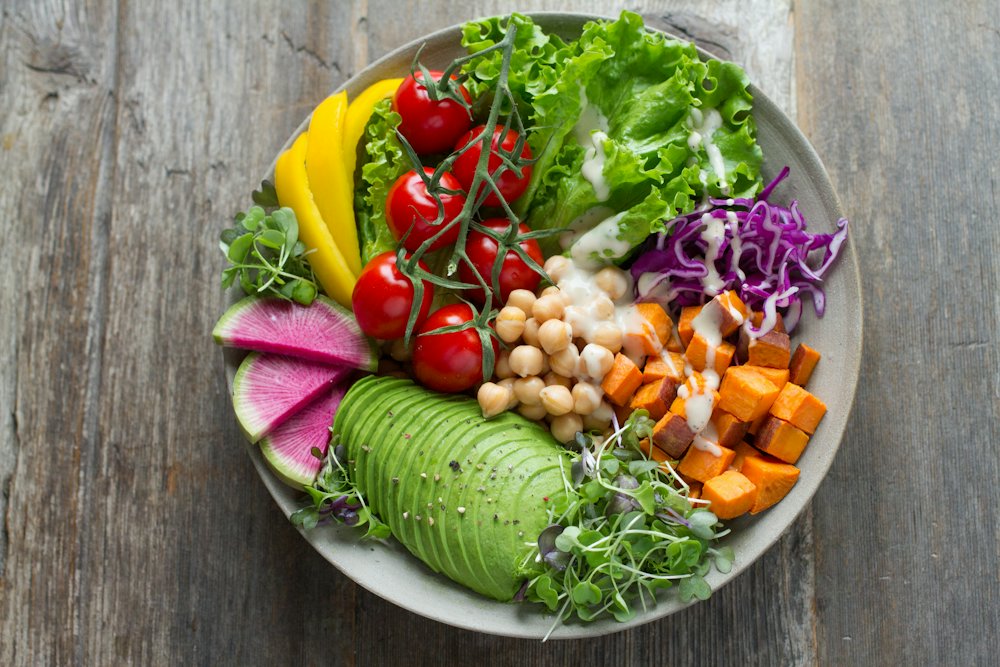
Every year on October 16, World Food Day asks how we can feed a growing world well. The answer starts somewhere small and close to home: the plate in front of you.
U.S. adults eat enough vegetables each day.CDC
U.S. adults eat enough fruit each day.CDC
of protein in one cooked cup of lentils.USDA
Most of us aren't short on food. We're short on plants. At Lifeline, we've built meals around whole plant foods since 2002, and we've watched what happens when people eat this way: steadier energy, easier digestion, better sleep and a lighter mood. You don't need a new cookbook to start. You need a plan for one plate.
What does a plant-powered plate look like?
Think of your plate as four simple sections. Tap a section to see what goes there.
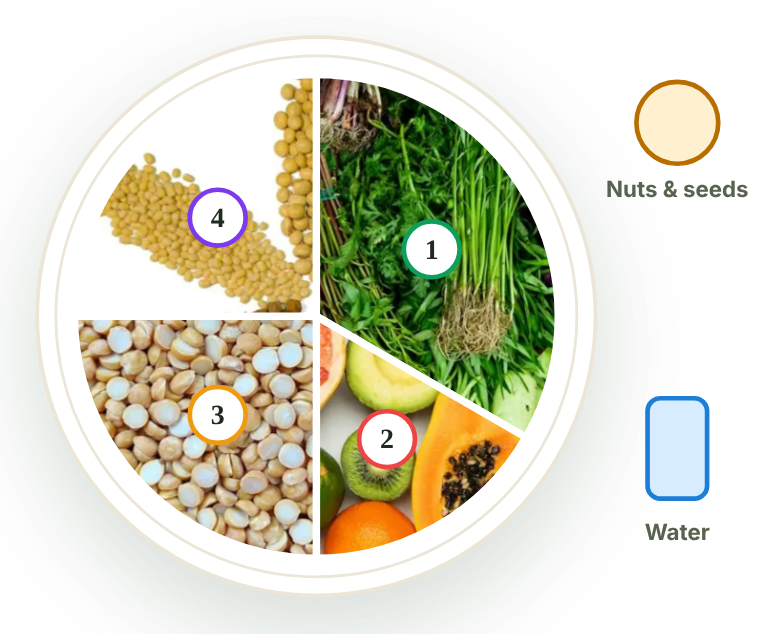
Half plants you can see the color of, a quarter grains for steady energy, a quarter legumes for protein. That's the whole method.
The five food groups that build your plate
Each group does a different job. Spin through the plates to see what each one brings.
👆 Swipe to see all five food groups →
 1/5
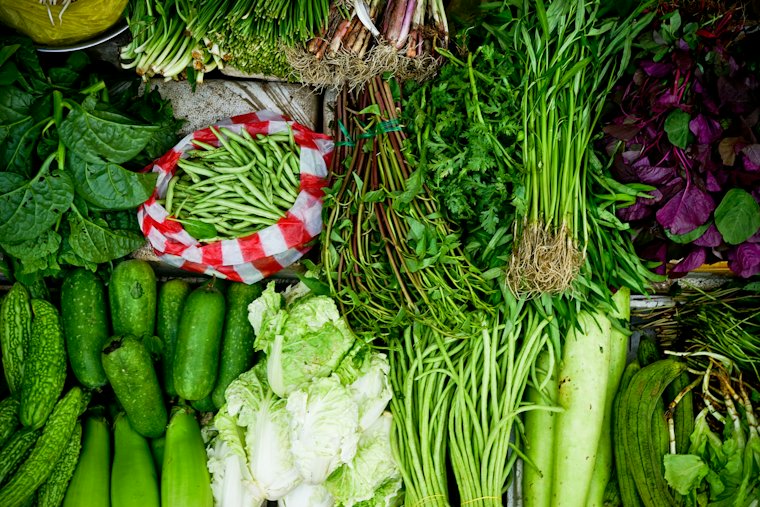
🥦 VEGETABLES · ⅓ OF YOUR PLATE
The foundation
Vegetables bring fiber, vitamins, minerals and protective plant compounds for very few calories. Dark leafy greens are some of the most nutrient-dense foods on earth.
Try: add a handful of spinach to soup, rice or a morning smoothie.
 2/5
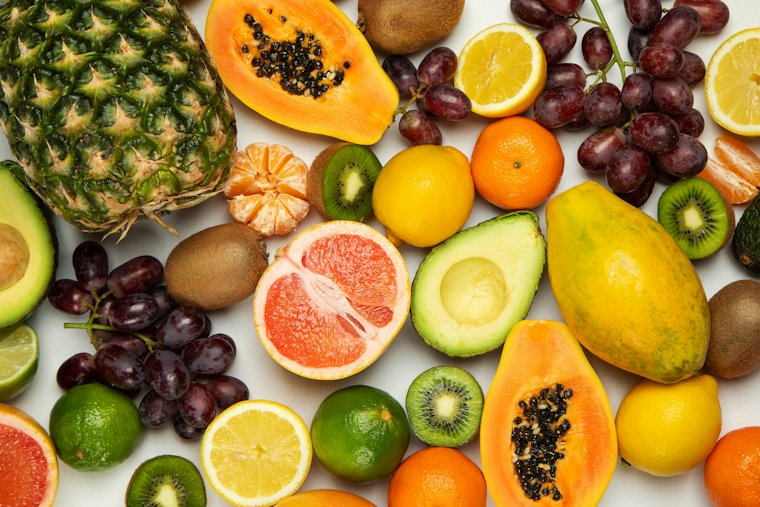
🍊 FRUITS · ⅙ OF YOUR PLATE
Nature's sweetness
Whole fruit satisfies a sweet craving while bringing vitamin C, potassium and fiber. Eaten whole, its natural sugars come with the fiber that slows them down.
Try: swap dessert for berries or sliced fruit after lunch.
 3/5
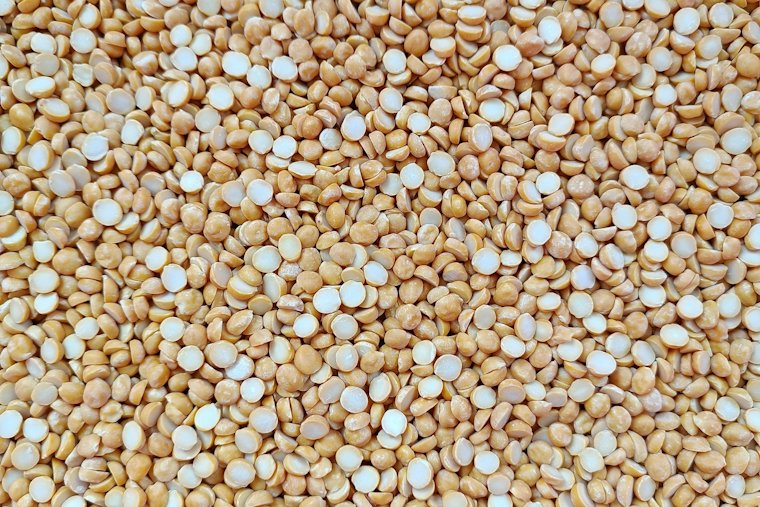
🌾 WHOLE GRAINS · ¼ OF YOUR PLATE
Steady fuel
Whole grains keep the bran and germ, so they release energy slowly and keep you full. Refined white flour and white rice lose most of that.
Try: cook a pot of brown rice, millet or quinoa on Sunday for the week.
 4/5
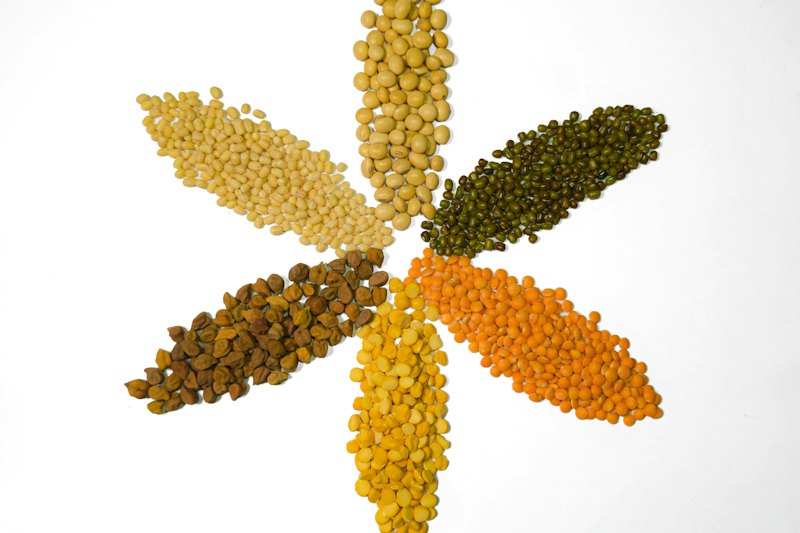
🫘 LEGUMES · ¼ OF YOUR PLATE
The protein section
Beans, lentils, chickpeas and peas are rich in protein, fiber, iron and folate. A cooked cup of lentils gives about 18 grams of protein.
Try: make one meal a day bean- or lentil-based: dal, chili, hummus or a bean stew.
 5/5
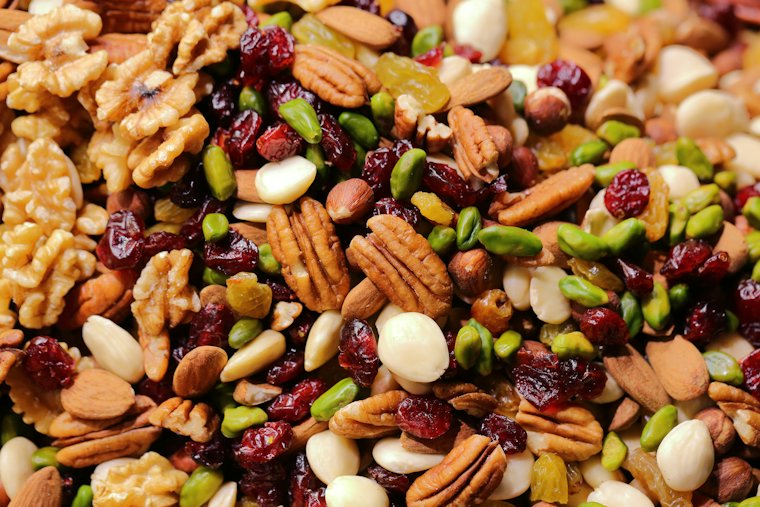
🌰 NUTS & SEEDS · A SMALL HANDFUL
Small but mighty
Walnuts, flax and chia bring plant omega-3 fats. Nuts and seeds are rich, so a small handful a day is plenty.
Try: stir a spoon of ground flaxseed into your oatmeal.
Can you get enough protein from plants?
It's the first question most people ask. The short answer is yes, as long as you eat a variety of whole plant foods and enough of them.
Myth or fact? Test what you know
Myth or fact?"Plants don't have enough protein."Tap to reveal ↓
Beans, lentils, tofu, whole grains, nuts and seeds all contain protein. Eat a mix of them and your daily needs are covered.
Myth or fact?"You must combine proteins at every meal."Tap to reveal ↓
Your body pools amino acids through the day. Variety across the day matters, not perfect pairing on one plate.
Myth or fact?"Plant eaters need a reliable source of vitamin B12."Tap to reveal ↓
B12 is the one nutrient plants don't reliably provide. Use fortified foods or a supplement, and ask your provider to check your levels.
Myth or fact?"Eating plant-based is expensive."Tap to reveal ↓
Dried beans, lentils, oats, brown rice and seasonal or frozen vegetables are some of the cheapest foods in any store.
Why does Lifeline start with the plate?
Nutrition is the first of Lifeline's 14 natural laws of wellness, and it works hand in hand with the others. A plant-powered plate is where several of them meet:
Temperance means enough, not too much. Sharing a meal builds connection. Cooking for a neighbor is service. Food was never only about nutrients.
A GENTLE REMINDER
You don't have to change every meal at once. Change one plate, then the next. Your taste buds adjust faster than you think.
6 simple swaps to build your plate this week
Start with oats
Oatmeal topped with fruit and a spoon of ground flax.
Go brown, not white
Brown rice, millet and whole-wheat bread.
Make beans the star
Build one meal a day around beans, lentils or chickpeas.
Add one more vegetable
Toss a handful of greens into whatever you're cooking.
Snack on whole foods
Fruit, carrot sticks or a few nuts.
Drink water first
Water, ideally between meals.
Pick two swaps this week. Next week, add two more.
What does World Food Day have to do with your plate?
World Food Day marks the founding of the UN Food and Agriculture Organization in 1945. This year's theme, "Innovate today to feed tomorrow," asks how we can feed more people, more healthily, with what the earth can give.
Plant foods are part of that answer. Growing beans, grains and vegetables generally takes far less land and water than raising animals for food. When more of your plate comes straight from the soil, you nourish your body and go easier on the planet at the same time. Sometimes the most powerful innovation is the oldest one: eating the way nature designed.
Ready to reset the way you eat?
Detox Your Health is a 7-day, from-home program built on whole plant foods, water and rest, guided by a Lifeline Care Partner.
Start Your DYH →Frequently asked questions
What does a plant-powered plate look like?
Half vegetables and fruits, a quarter whole grains and a quarter legumes like beans, lentils or chickpeas. Add a sprinkle of nuts or seeds and drink water.
Can I get enough protein from plants?
Yes. Beans, lentils, chickpeas, peas, tofu, whole grains, nuts and seeds all provide protein. Eating a variety across the day covers your needs.
Do I need supplements on a plant-based diet?
Vitamin B12 is the one nutrient plants don't reliably provide, so include fortified foods or a B12 supplement. Ask your healthcare provider about vitamin D and other needs.
Is eating plant-based expensive?
It doesn't have to be. Dried beans, lentils, oats, brown rice and seasonal or frozen vegetables are some of the most affordable foods in any store.